The demand for residential solar energy continues to grow as homeowners look for ways to reduce electricity costs, protect themselves from rising utility rates, and contribute to a more sustainable future. While the idea of installing solar panels may seem complex, the process is more straightforward than most people expect. With proper planning and the right provider, transitioning to solar can be smooth, efficient, and financially rewarding.
This comprehensive guide walks you through every stage of the home solar journey—from evaluation and system design to installation and long-term maintenance.
Step 1: Understanding Your Home’s Solar Potential
Before installing solar panels, it’s essential to determine whether your home is a good candidate.
Roof Condition and Orientation
Solar panels perform best on roofs that:
- Face south (in the Northern Hemisphere)
- Have minimal shading
- Are structurally sound
- Have 10–25 years of roof life remaining
East- and west-facing roofs can also be suitable, though they may produce slightly less energy. If your roof requires replacement soon, it’s best to complete that before installing solar panels.
Sunlight Exposure
Shading from trees, neighboring buildings, chimneys, or vents can reduce efficiency. A professional solar assessment typically includes shade analysis tools that calculate annual solar production potential.
Electricity Usage
Reviewing your last 12 months of utility bills helps determine the correct system size. Solar systems are designed based on:
- Average monthly kWh consumption
- Peak seasonal usage
- Future electricity needs (e.g., electric vehicles, pool pumps, home additions)
Step 2: System Design and Equipment Selection
After assessing your home, the next step is designing a system tailored to your needs.
Solar Panels
There are three primary types:
- Monocrystalline panels – High efficiency and sleek design
- Polycrystalline panels – Cost-effective and reliable
- Thin-film panels – Lightweight but less common in residential use
Monocrystalline panels are currently the most popular for homeowners due to their superior efficiency and longevity.
Inverters
Solar panels produce DC electricity, but homes use AC electricity. An inverter converts DC to usable AC power.
There are three main types:
- String inverters
- Microinverters
- Power optimizers
Microinverters are often preferred for homes with partial shading because they optimize each panel individually.
Battery Storage (Optional but Increasingly Popular)
Battery systems allow homeowners to:
- Store excess daytime energy
- Use solar power at night
- Maintain power during grid outages
- Maximize self-consumption
As grid reliability becomes a growing concern in some regions, solar + storage systems are becoming a strategic investment.
Step 3: Permitting and Approvals
Solar installations require permits and inspections. A professional provider typically handles:
- Local building permits
- Electrical permits
- Utility interconnection agreements
- Homeowner association (HOA) documentation (if applicable)
While this process may take several weeks depending on location, experienced installers streamline approvals efficiently.
Step 4: Installation Process
The actual installation is usually faster than expected—often completed within 1–3 days.
Installation Includes:
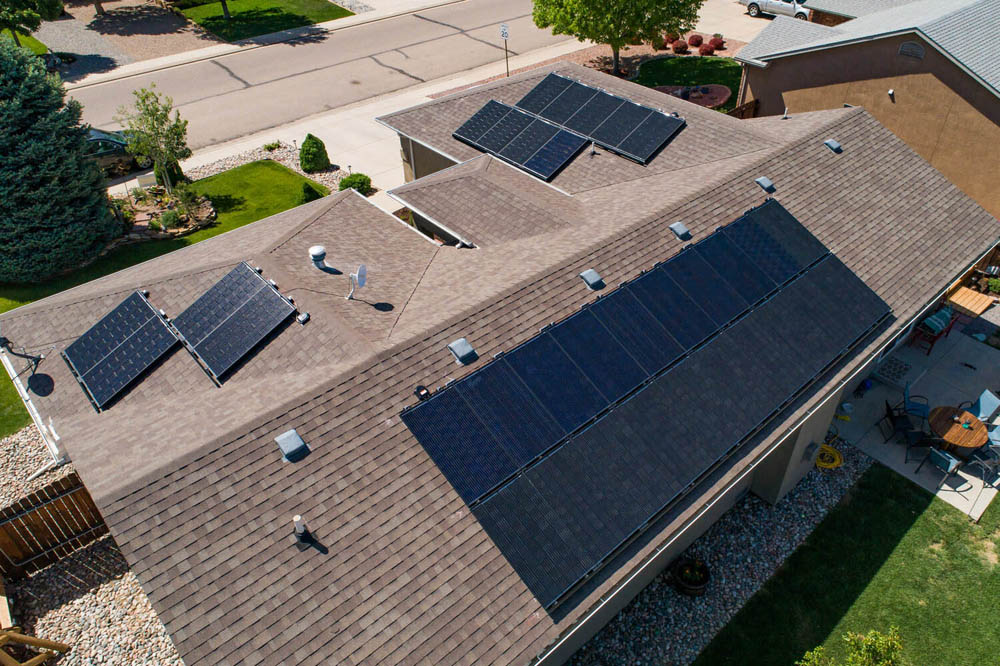
- Mounting hardware attached to roof rafters
- Panel placement and securing
- Electrical wiring and inverter installation
- System connection to the home’s main panel
- Utility meter upgrade (net metering meter if applicable)
After installation, an inspection ensures everything meets code requirements.
Step 5: Activation and Monitoring
Once approved by the utility company, your system is activated. From this point forward, your home begins producing clean energy.
Most systems now include monitoring apps that allow homeowners to:
- Track daily energy production
- Monitor consumption
- Identify performance issues
- Measure environmental impact
This transparency helps homeowners fully understand their system’s value.
Financial Considerations
Upfront Cost
While solar installation requires an initial investment, prices have dropped significantly over the past decade.
Federal Incentives
The federal solar Investment Tax Credit (ITC) allows homeowners to deduct a percentage of installation costs from federal taxes (subject to current regulations).
State & Local Incentives
Many states offer additional rebates, net metering benefits, and renewable energy credits.
Financing Options
- Cash purchase (highest long-term savings)
- Solar loans
- Leasing or Power Purchase Agreements (PPAs)
A properly designed system often pays for itself within 6–10 years, depending on electricity rates and incentives.
Maintenance and Longevity
One of solar energy’s greatest advantages is minimal maintenance.
- Panels have no moving parts
- Rain naturally washes debris in many regions
- Occasional cleaning may be needed in dusty areas
- Annual inspection recommended
Most panels come with:
- 25-year performance warranties
- 10–25 year product warranties
Inverters typically have 10–15 year warranties.
Common Myths About Home Solar
Myth 1: Solar panels don’t work in cloudy areas.
Reality: Solar panels still produce energy on cloudy days, though at reduced efficiency.
Myth 2: Solar is too expensive.
Reality: With financing and incentives, monthly payments often match or fall below previous electricity bills.
Myth 3: Solar requires constant maintenance.
Reality: Maintenance is minimal compared to most home systems.
The Path to Energy Independence
Installing home solar panels is more than a financial decision—it’s a strategic move toward energy independence, environmental responsibility, and long-term stability.
As electricity rates continue to rise nationwide, solar power provides predictable energy costs and long-term protection against market volatility.
Homeowners who act today position themselves at the forefront of the clean energy transition.