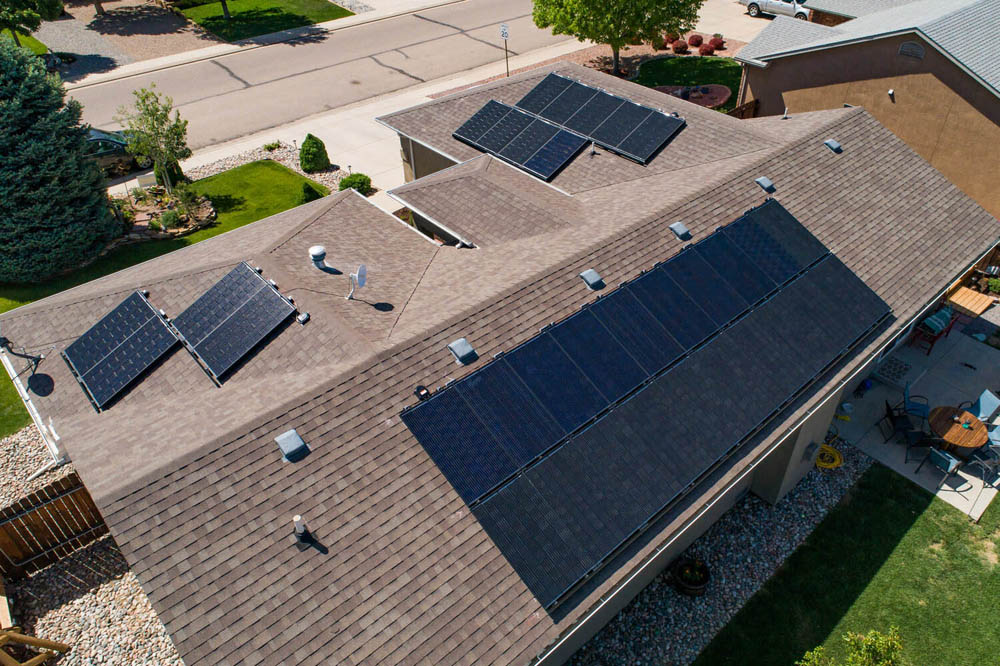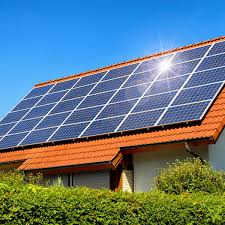
Residential solar energy is no longer simply an eco-friendly option—it has become one of the most strategic financial decisions homeowners can make. Beyond reducing electricity bills, solar power offers long-term economic stability, increased property value, and measurable environmental impact.
In this article, we explore the financial returns, sustainability advantages, and future-proofing benefits of investing in home solar panels.
Rising Electricity Costs: A Growing Concern
Utility rates have steadily increased over the past decade. Factors driving these increases include:
- Infrastructure upgrades
- Fuel costs
- Extreme weather events
- Grid modernization
Homeowners relying solely on grid electricity are exposed to unpredictable rate hikes. Solar panels provide a hedge against these increases by generating electricity directly on-site.
Calculating Long-Term Savings
Let’s break down how solar panels generate financial returns.
Example Scenario:
- Average monthly electric bill: $180
- Annual cost: $2,160
- 25-year total (without rate increases): $54,000
With solar panels:
- System cost: $18,000–$25,000 (before incentives)
- Tax credits reduce upfront cost
- Annual electricity cost dramatically reduced or eliminated
Over 25 years, savings can exceed $30,000–$60,000 depending on location and usage.
Return on Investment (ROI)
Solar panels typically offer:
- 8–12% average annual return (location dependent)
- 6–10 year payback period
- 25+ year lifespan
Few home improvements offer this combination of ROI and long-term stability.
Increased Property Value
Studies show that homes with solar installations:
- Sell faster
- Command higher resale prices
- Appeal to energy-conscious buyers
Buyers recognize the benefit of inheriting low electricity costs.
Environmental Impact
A standard residential solar system can offset:
- 3–4 tons of CO₂ annually
- Over 75 tons during its lifetime
This reduction is equivalent to:
- Planting thousands of trees
- Avoiding tens of thousands of miles driven in gasoline vehicles
Solar energy reduces reliance on fossil fuels and lowers greenhouse gas emissions.
Energy Security and Grid Stability
Extreme weather events and grid outages are becoming more common. Solar systems paired with battery storage provide:
- Backup power during outages
- Protection from grid failures
- Greater household resilience
This energy independence offers peace of mind in uncertain times.
Supporting a Sustainable Future
Transitioning to solar energy contributes to:
- Reduced air pollution
- Lower water usage compared to fossil fuel plants
- Decreased reliance on imported fuels
- Growth of domestic clean energy jobs
Homeowners become active participants in the clean energy transition.
Solar Technology Advancements
Modern solar systems are:
- More efficient than ever
- Sleeker and more aesthetically pleasing
- Smarter through digital monitoring
- Integrated with smart home systems
Battery technology continues improving, making energy storage increasingly practical and affordable.
Addressing Common Concerns
What if I move?
Solar increases resale value and can transfer to new homeowners.
What about maintenance?
Minimal upkeep is required.
What if technology improves later?
Solar panels degrade slowly (around 0.5% per year), and upgrades remain possible.
Why Now Is the Ideal Time
- Incentives are still available
- Electricity rates continue rising
- Technology costs have declined
- Consumer awareness is at an all-time high
Delaying installation may mean missing financial benefits and incentives.
Conclusion
Residential solar energy represents one of the most powerful intersections of financial intelligence and environmental responsibility. Homeowners who invest in solar panels today secure decades of energy savings, protect themselves from utility rate volatility, increase property value, and reduce their environmental footprint.
As the clean energy transition accelerates, home solar adoption is not just a trend—it’s a long-term transformation of how we power our homes and protect our future.