Introduction
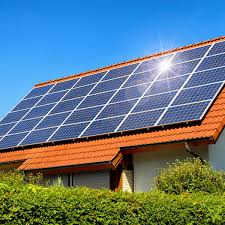
In recent years, home solar panels have transformed from a niche energy solution to a mainstream energy source for homeowners across the world. As the costs of solar technology continue to decrease and the demand for clean, renewable energy rises, more homeowners are embracing solar power as a way to reduce their carbon footprints and save on energy bills. In this blog, we explore why home solar panels are more important than ever, the benefits they offer, and why now is the best time to make the switch.
The Growing Need for Clean Energy
Climate change is a growing global concern, and governments, corporations, and individuals are all seeking ways to reduce greenhouse gas emissions. According to the International Energy Agency (IEA), the global demand for electricity is expected to rise by 2.7% annually, making it increasingly important to adopt cleaner energy sources like solar power. Unlike traditional fossil fuel-based energy sources, solar energy produces no emissions and is an inexhaustible, renewable resource that can power homes without depleting the planet’s natural resources.
Key Benefits of Home Solar Panels
- Lower Energy Bills: One of the most attractive benefits of solar power is the ability to drastically reduce your monthly energy bills. With a home solar system, homeowners can generate their electricity, offsetting or completely eliminating their reliance on the utility grid.
- Environmental Impact: By using solar energy, you contribute to reducing carbon emissions. A typical home solar panel system can offset up to 100 tons of CO2 over its lifetime, which is equivalent to planting over 2,500 trees.
- Energy Independence: Home solar panels give homeowners the ability to produce their own electricity, reducing their dependence on fluctuating energy prices and the grid.
- Increase in Property Value: Solar panels can also increase the resale value of your home. Studies have shown that homes with solar energy systems sell for a premium compared to those without.
The Installation Process
Installing solar panels in your home is a straightforward process, but it requires careful planning. Here’s a quick overview of the steps involved:
- Assessment: The first step is a solar assessment by a certified technician. This includes evaluating your home’s roof space, sunlight exposure, and current energy usage.
- Design: Based on your needs, the design phase involves selecting the right type of solar panels and inverter systems that will best fit your home.
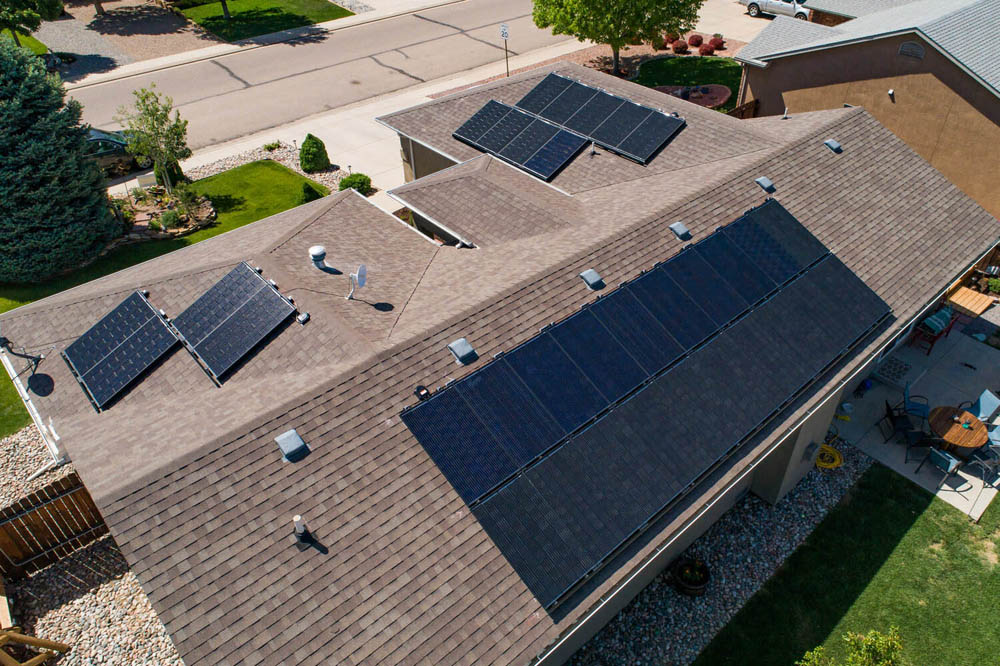
- Installation: Professional installers will mount the solar panels on your roof, connect them to your electrical system, and ensure everything is working properly.
- Activation: After the system is installed, it needs to be connected to the grid (if applicable) and activated. This allows the solar panels to start producing electricity immediately.
Financing Options for Solar Panels
Many homeowners are concerned about the upfront costs of solar panels, but there are several financing options available that make the switch more affordable:
- Solar Loans: Solar loans allow you to borrow the money for installation and pay it off over time. In many cases, the monthly loan payment is lower than the amount you were paying to the utility company.
- Leasing and Power Purchase Agreements (PPA): With these options, a third-party company installs and owns the system, and you pay a monthly fee based on the energy your system produces.
- Tax Incentives: The U.S. federal government offers a solar investment tax credit (ITC), which allows homeowners to deduct 26% of the cost of their solar system from their federal taxes.
Challenges and Considerations
While solar energy offers many benefits, there are some challenges to consider, such as the initial installation costs, the need for adequate roof space, and the reliance on sunlight for energy generation. Homeowners should also be aware of potential maintenance needs, although solar systems typically require little upkeep.
Conclusion
Home solar panels represent a crucial step in the fight against climate change and offer homeowners an opportunity to reduce their energy bills while contributing to a cleaner planet. As technology advances and the cost of installation continues to decrease, there’s never been a better time to make the switch to solar energy.